Andasibe is one of Madagascar’s most rewarding rainforest destinations, known for the far-carrying call of the Indri and easy access to guided forest walks. It is a strong choice for travellers who want to experience lemurs, chameleons, frogs and rich plant life in a lush eastern landscape.
Use Andasibe as a focused wildlife stop within a Madagascar itinerary. Early walks, unhurried observation and a knowledgeable local guide offer the best way to appreciate the forest and its remarkable biodiversity.
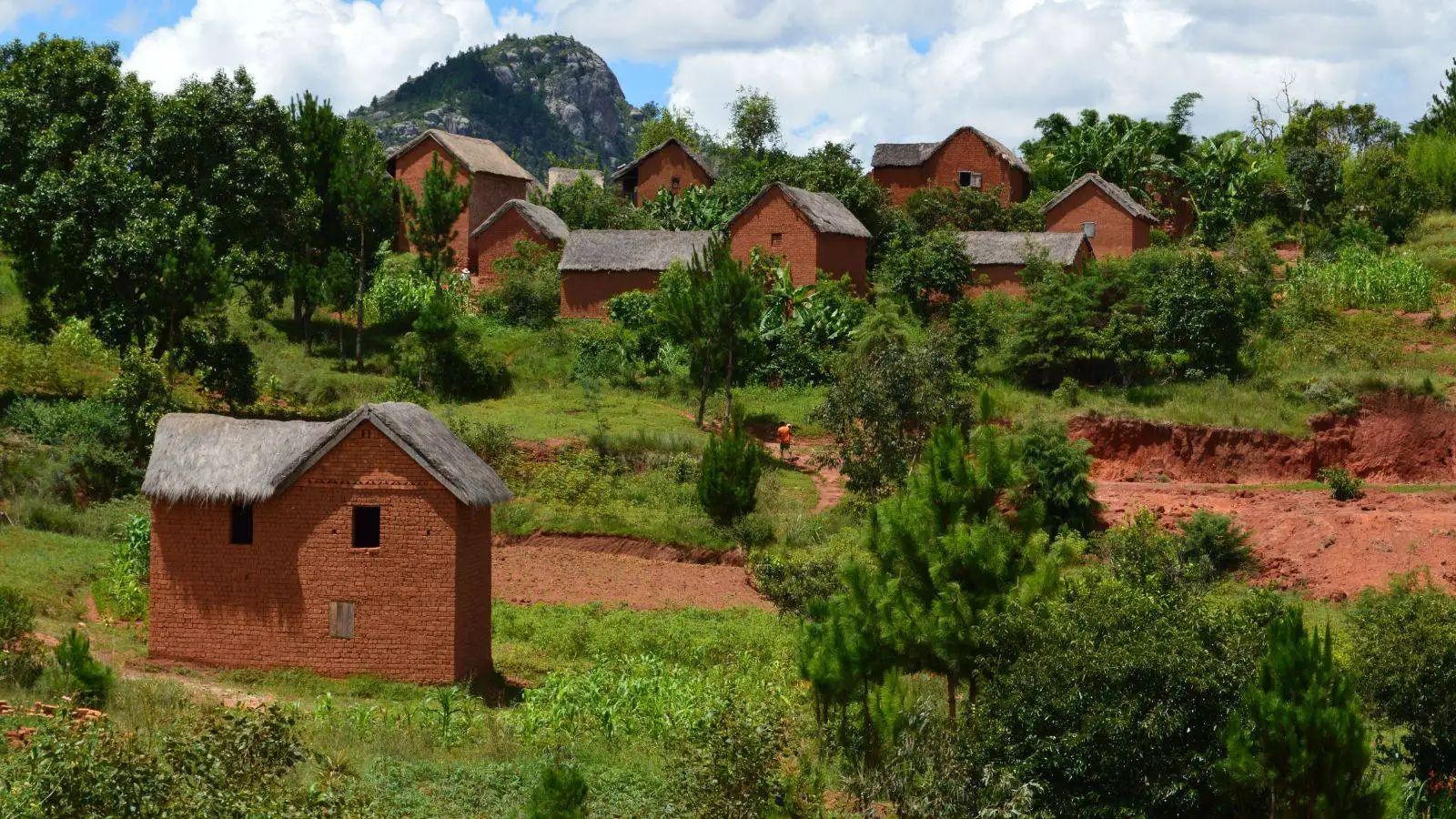
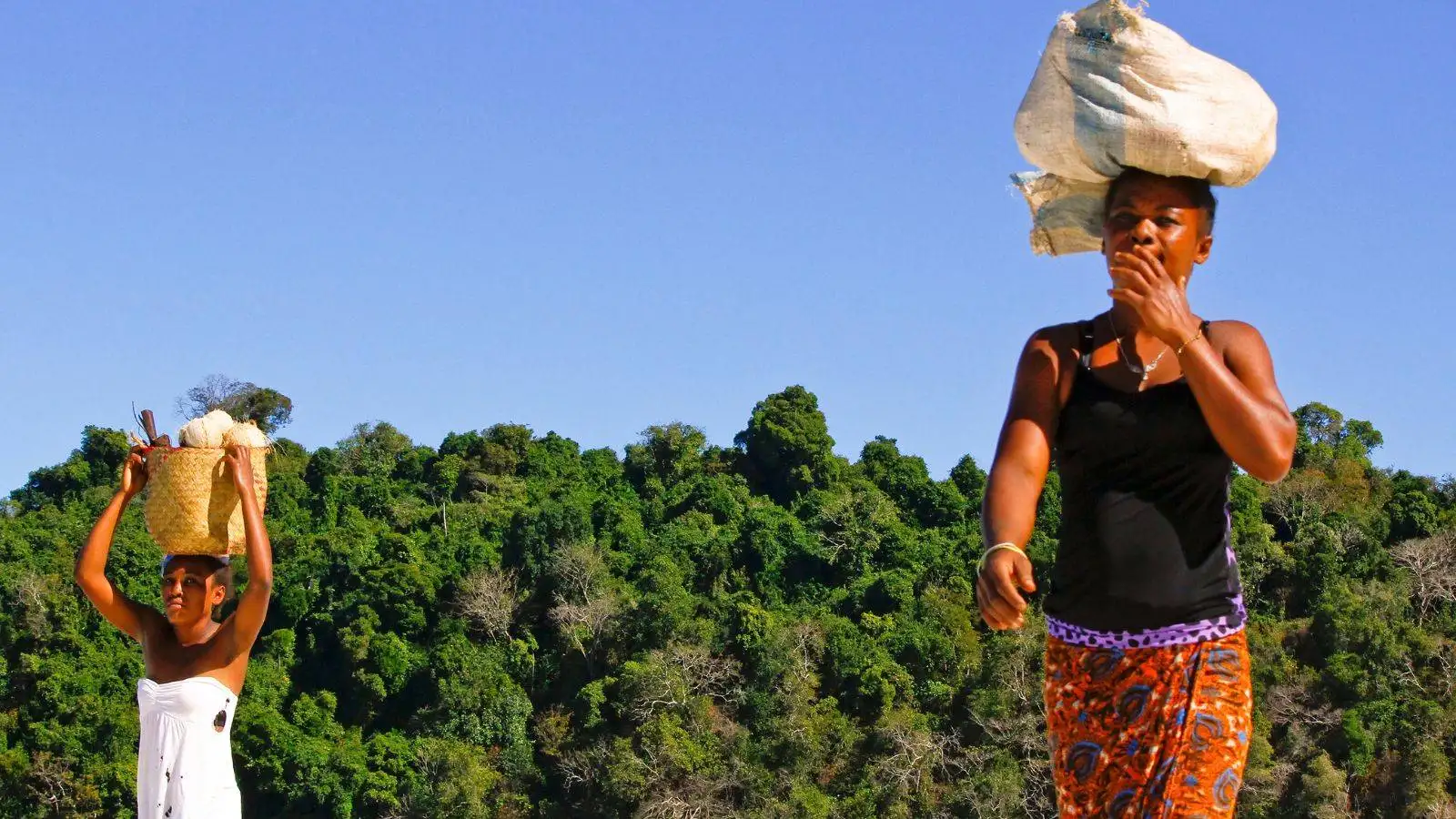
Andasibe is one of the most sought-after stops on a Madagascar nature itinerary. The destination is closely associated with the eastern rainforest and with the unforgettable call of the Indri, Madagascar’s largest living lemur. For many travellers, hearing that call carry through the canopy is as memorable as seeing a lemur group move between the trees. Andasibe is therefore a natural fit for first-time visitors, wildlife photographers and anyone who wants to place Madagascar’s endemic life at the centre of their journey.
The name Andasibe is commonly used for the village and the wider forest area. Nearby protected forests include Analamazaotra and Mantadia, which offer different but complementary rainforest settings. Rather than treating every forest walk as interchangeable, a well-planned stay can combine accessible trails, deeper forest scenery and time to slow down when wildlife is encountered. Sightings are never guaranteed, but patient guided exploration gives the forest room to reveal itself.
The Indri is the destination’s best-known resident, yet Andasibe offers much more than a single species. The humid forest supports several lemurs as well as birds, reptiles, amphibians and a vivid variety of ferns, orchids and other plant life. Small details matter here: a camouflaged chameleon on a branch, a frog beside a stream or the changing textures of the vegetation after rain. A local guide helps visitors notice these details while following the rules that protect the habitats.
Morning is especially valuable for wildlife observation, when the forest is alive with sound and movement. Night walks in appropriate areas can add another perspective, revealing nocturnal species and the atmosphere of the rainforest after dark. These are nature experiences, not staged encounters, so the rhythm of the visit should remain flexible and respectful.
Andasibe works well as an early nature stop after Antananarivo or as part of a broader east and highlands route. Staying nearby allows for a gentler pace than a rushed day trip: an early guided walk, time to rest, and a second outing when conditions are favourable. Travellers interested in birds, reptiles or photography often benefit from additional time because observation improves when there is no pressure to move on quickly.
Choose footwear with grip, light layers and rain protection, as rainforest trails can be damp and conditions can change. Park access, guiding arrangements and route conditions should always be checked locally before departure. This practical preparation lets the day remain focused on the forest rather than logistics.
Andasibe’s appeal depends on living forest. Keep a quiet distance from animals, follow the guide’s instructions, stay on permitted paths and avoid feeding wildlife. These simple choices protect the experience for future visitors and support the conservation value of the area. For travellers searching for Indri lemurs, rainforest walks and meaningful Madagascar wildlife encounters, Andasibe remains an essential place to explore slowly and responsibly.
Birdwatchers and keen naturalists can also ask their guide to highlight the smaller species and forest signs that are often missed on a first walk.