Kirindy Forest is a dry deciduous forest in western Madagascar’s Menabe region, valued for wildlife encounters that contrast with the island’s humid eastern parks. It is a key destination for travellers hoping to learn about nocturnal species, lemurs and the rare fossa in a research and conservation setting.
Near Morondava, Kirindy fits naturally with the Avenue of the Baobabs and a wider western Madagascar circuit. Guided daytime and evening walks offer the most respectful way to discover this fragile forest environment.
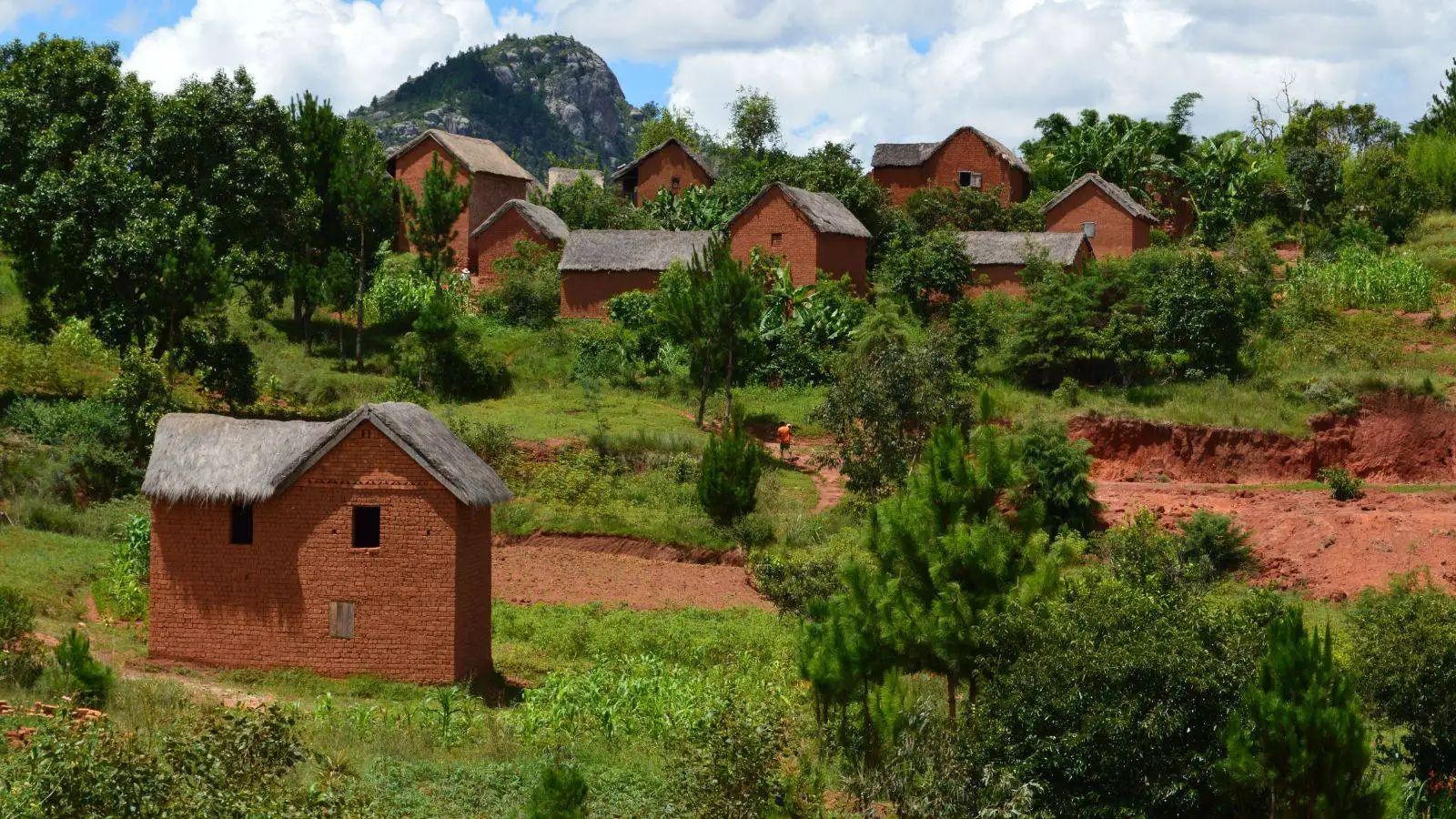
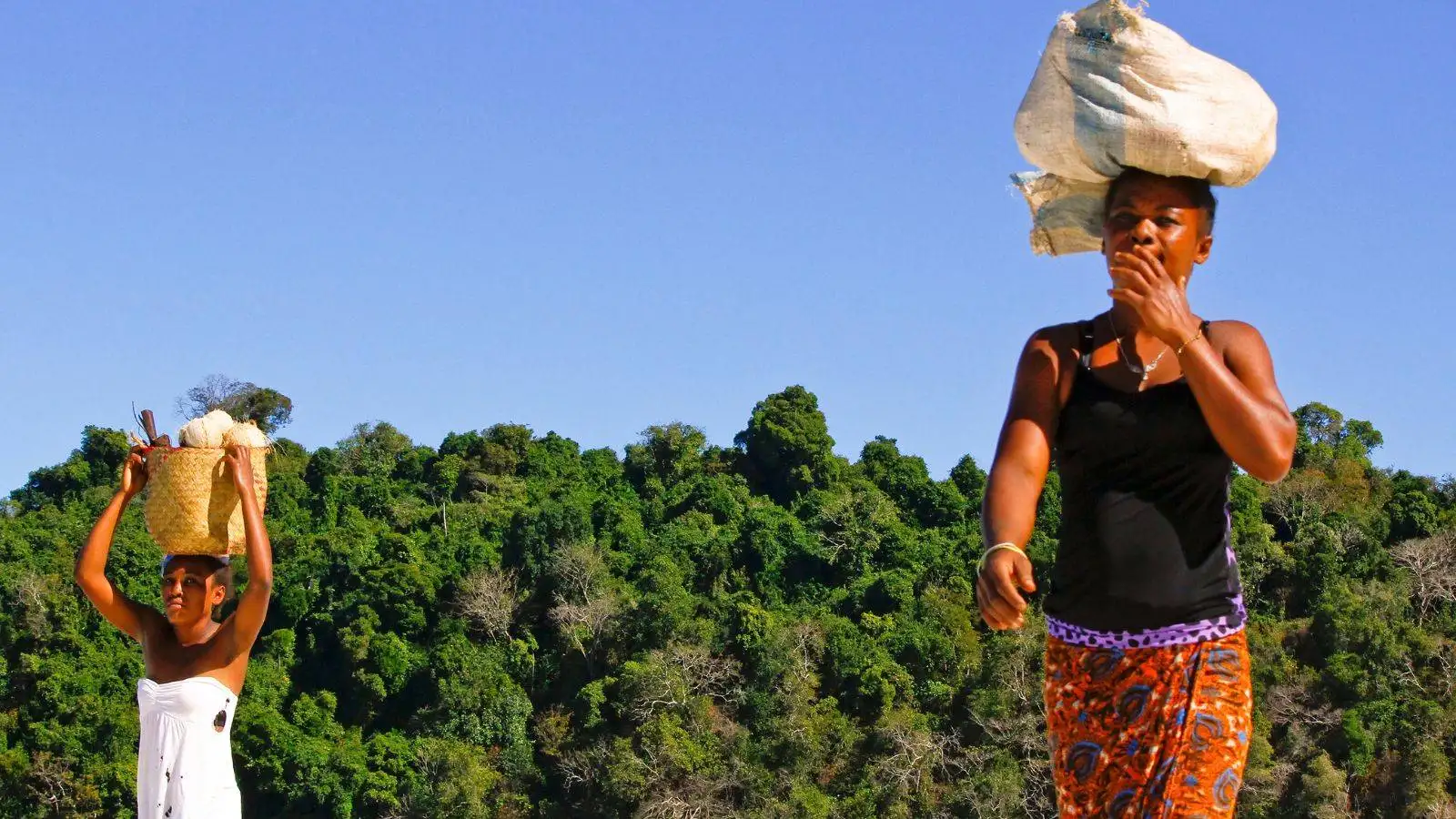
Kirindy Forest offers a very different Madagascar wildlife experience from the humid rainforests of the east. In the Menabe region near Morondava, dry deciduous forest creates a landscape of pale light, leaf litter, tall trees and seasonal change. The forest is known among nature travellers for its unusual mammals, especially the fossa, as well as for lemurs, reptiles, birds and nocturnal life. It is a strong choice for visitors who want to understand the diversity of Madagascar’s habitats rather than focus on a single type of forest.
The name Kirindy can refer to more than one place in western Madagascar, so it is important to confirm the exact forest or reserve included in an itinerary. The Kirindy Forest research and conservation area near Morondava is often associated with guided wildlife walks and the CNFEREF research station. Clear local planning helps avoid confusion with Kirindy Mitea and other protected landscapes in the wider region.
Kirindy is best known for the possibility of seeing the fossa, Madagascar’s largest carnivorous mammal. A sighting can never be guaranteed, and responsible wildlife travel should not treat an animal as a scheduled performance. The forest remains worthwhile even when the fossa stays hidden: guides can point out lemurs, tracks, birds, reptiles, insects and the adaptations that allow life to flourish in a dry forest environment.
Evening walks, when arranged with an authorised guide, offer a particularly different perspective. Nocturnal species may be active, and the forest’s sounds change completely after dark. Use low-impact lighting, follow the guide’s instructions and avoid flash photography when it may disturb animals. A quiet group often has a better experience than one that tries to cover too much ground.
Kirindy Forest is commonly combined with Morondava and the Avenue of the Baobabs. This makes sense geographically and thematically: the baobabs provide the iconic open landscape, while Kirindy reveals the dry forest habitat that survives in the same broader Menabe region. It can also be part of a longer westward route, subject to seasonal road conditions and the pace of the trip.
Plan transport and accommodation with up-to-date local advice. Road conditions, access rules and guided walk arrangements can change, so avoid relying on outdated information. Bring closed footwear, insect protection, water and neutral-coloured clothing suitable for a forest walk. Above all, allow time: wildlife observation improves when the itinerary is not built around a rushed arrival and departure.
Ask in advance whether a daytime walk, an evening walk or both best match your interests. The two experiences complement each other and help reveal how the forest changes across a single day.
Dry forests are among Madagascar’s most fragile ecosystems. Stay on marked paths, keep noise low, never feed animals and take all waste away. Choose guides and services that support responsible access and local conservation. For travellers searching for fossa sightings, nocturnal wildlife and western Madagascar dry forest, Kirindy is a powerful destination precisely because it asks visitors to observe carefully rather than consume the forest quickly.